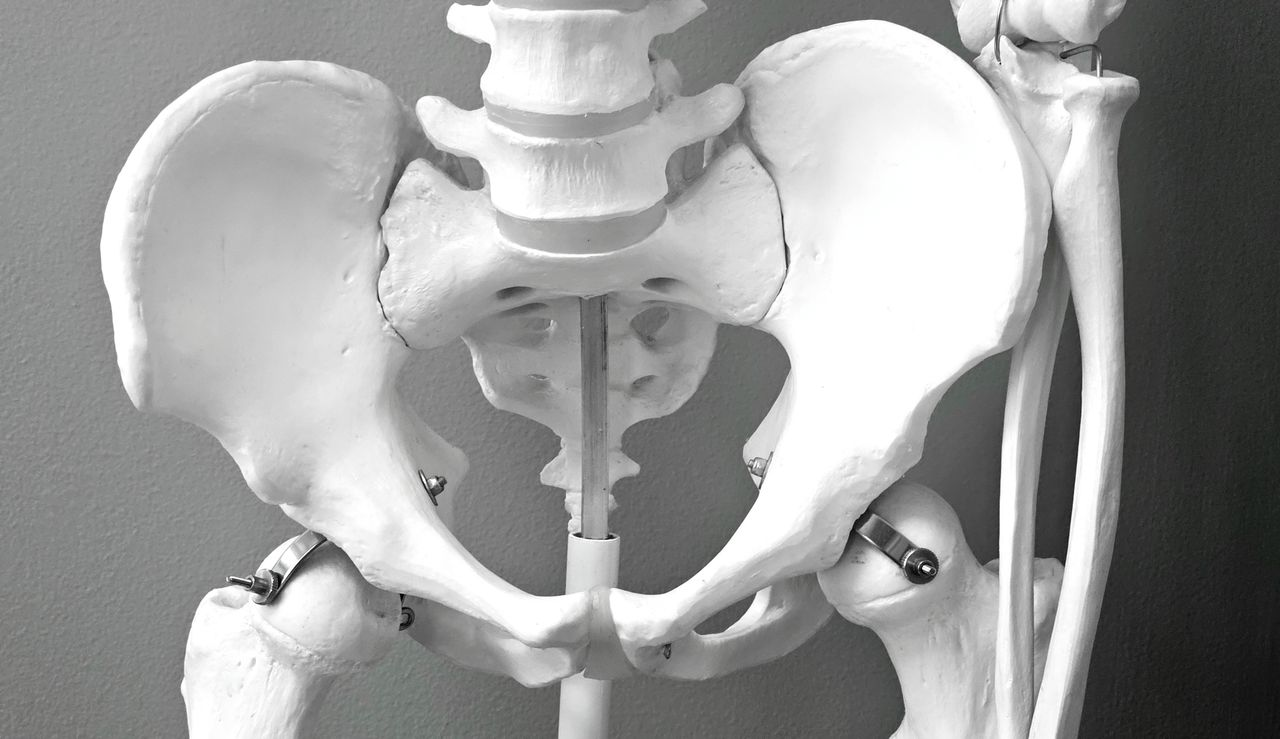
Facing Hip Replacement Surgery? Your Fears Are More Common Than You Think
If you’re scheduled for a hip replacement and quietly dreading it, you’re not alone. Most people heading into this surgery feel a mix of anxiety, dread, and “what if” thoughts running on a loop. That’s completely normal.
This guide is for anyone who has been told they need a hip replacement and wants honest answers before going under the knife — not just reassurance, but real information.
Here’s what we’ll walk through:
- Why fear of hip replacement is normal and what most patients actually say after surgery
- The most common fears people have going in — pain, complications, recovery time — and what the facts actually show
- How to mentally prepare so you feel more in control heading into your surgery date
The short version? Hip replacement is one of the most performed orthopedic procedures in the world, and the gap between what people fear and what they actually experience is often huge. Let’s close that gap.
Understanding Why Fear of Hip Replacement Is Normal
Recognizing Common Emotional Reactions Before Surgery
Feeling anxious, overwhelmed, or even terrified at the prospect of hip replacement surgery is entirely normal. These emotional reactions are not a sign of weakness — they are a deeply human response to facing a major medical procedure. Patients commonly experience a wide range of emotions leading up to surgery, including:
- Fear of the unknown — not knowing exactly what will happen during or after the procedure
- Worry about pain — concerns about how much discomfort to expect
- Anxiety about outcomes — questioning whether the surgery will truly improve quality of life
- General nervousness — the kind that comes with any significant life event
Recognizing these feelings as a normal part of the pre-surgery journey is the first step toward managing them effectively. You are far from alone in experiencing them.
How Patient Communities Help Ease Pre-Surgery Anxiety
One of the most powerful and often underestimated tools for managing pre-surgery fear is connecting with others who have walked the same path. Communities such as the Facebook Hip Replacement Support Group have become invaluable spaces where patients can share experiences, ask questions, and receive genuine reassurance from people who truly understand what they are going through.
Within these communities, a consistent and encouraging message emerges time and again — that most patients find the procedure to be:
- Far more routine than they initially anticipated
- Less daunting than the fear they built up beforehand
- A turning point that ultimately improved their daily lives
Hearing directly from real patients who have already been through the experience can be far more comforting than reading clinical descriptions alone. These communities provide emotional validation, practical tips, and a sense of solidarity that can meaningfully reduce pre-surgery anxiety. With this in mind, next, we’ll see how the medical advances behind modern hip replacement surgery further support that reassurance.
Why Modern Hip Replacement Is Safer Than Ever
Now that we have covered the emotional landscape and the role of patient communities, it is important to ground your confidence in the facts. Modern hip replacement surgery stands as one of the safest and most successful orthopedic procedures available today. This is not simply reassuring language — it reflects decades of refinement in surgical techniques, materials, and patient care protocols.
Key reasons why modern hip replacement inspires confidence include:
| Factor | What It Means for Patients |
|---|---|
| Highly routine procedure | Surgeons perform this operation regularly, bringing significant expertise |
| Advanced surgical techniques | Methods have been refined over many years for better outcomes |
| Proven track record | Consistently recognized as among the most successful orthopedic surgeries |
| Widespread positive patient experiences | Broad consensus from patient communities confirms manageable and often positive outcomes |
Knowing that countless patients before you have successfully undergone and recovered from hip replacement surgery — and that medical professionals regard it as a well-established, highly reliable procedure — can serve as a genuine and rational source of comfort. Fear is natural, but it does not have to be the loudest voice in the room when the facts speak so clearly in favor of the procedure.
Common Fears Patients Have Before Hip Replacement
Fear of Pain During and After Surgery
One of the most commonly voiced concerns among patients facing hip replacement is the fear of pain — both during the procedure itself and in the days that follow. It is entirely understandable to feel this way. Patients frequently express their anxiety in very direct terms, with statements like “I am scared!!!!” reflecting just how overwhelming this fear can become before surgery day arrives.
The reality is that the initial healing period does involve a degree of discomfort. The first few weeks post-surgery can bring significant pain as the body adjusts and begins to heal. Physical therapy, which plays a crucial role in recovery, may also involve temporary discomfort as muscles and tissues around the new joint are gradually strengthened and mobilized. Knowing this in advance helps patients set realistic expectations rather than being caught off guard.
Fear of Complications and Surgical Risks
Beyond pain, many patients carry a deep-seated worry about what could go wrong during surgery. The idea of going under anesthesia and having a major joint replaced naturally raises concerns about surgical risks and potential complications. This fear is a very human response to the unknown, and it is one of the most common emotional barriers patients face when considering hip replacement surgery.
While specific complication statistics are not the focus here, what matters most is acknowledging that this fear is real, valid, and widely shared among patients preparing for this procedure. Recognizing that your concerns are normal is often the first step toward moving through them with greater confidence.
Fear of a Long and Difficult Recovery
With this in mind, another major fear patients experience is the prospect of enduring a long, demanding recovery process. The thought of weeks spent managing pain, attending intensive physical therapy sessions, and depending on others for everyday tasks can feel daunting — and rightfully so.
The first few weeks after hip replacement surgery are typically the most challenging. During this period, patients may face:
- Significant post-surgical pain that requires careful management
- Intensive physical therapy sessions designed to restore mobility and strength
- Temporary limitations in daily activities and independence
It is important to understand that this difficult phase is a normal and expected part of the healing journey. The intensity of early recovery does not last indefinitely, but the fear of going through it can linger long before surgery even takes place. Patients who are aware of what the recovery involves tend to feel less blindsided and more mentally prepared to face each stage as it comes.
Now that we have covered the most common fears patients experience before hip replacement, we can begin to explore the facts and reassurances that help put these fears into proper perspective.
Facts That Help Overcome Hip Replacement Fears
What to Expect During Recovery
Steps to Mentally Prepare for Hip Replacement Surgery
Talking to Your Medical Provider About Your Specific Concerns
Now that we have covered the facts that help overcome hip replacement fears, one of the most powerful steps you can take is to have an open, honest conversation with your medical provider. Every patient’s situation is unique, and generic information can only go so far in addressing your personal concerns. Your surgeon and healthcare team are best positioned to walk you through the specifics of your case, including your particular health history, the surgical approach they plan to use, and what your individual recovery timeline might look like.
When you sit down with your provider, consider preparing a list of questions in advance. This ensures you do not leave the appointment with lingering doubts. Ask about:
- The specific technique that will be used in your procedure
- What risks apply to your individual health profile
- What pain management options will be available to you
- How your specific lifestyle or activity level may influence recovery
By addressing your concerns directly with your provider, you replace vague fear with concrete, personalized knowledge — which is one of the most effective tools for reducing anxiety before surgery.
Connecting With Support Groups and Past Patients
Previously, I’ve discussed how understanding the facts around hip replacement can ease worry. Another equally powerful step is connecting with people who have already walked the path you are about to take. Support groups — both in person and online — offer a unique kind of reassurance that medical literature simply cannot replicate: the lived experience of real patients.
One widely recognized resource is the Facebook Hip Replacement Support Group, where members from all walks of life share their journeys, from pre-surgery anxiety to post-operative recovery milestones. A common theme that emerges among members of such groups is that modern surgical techniques tend to be far less daunting in reality than they imagined beforehand. Hearing this from someone who has been through the experience firsthand can be remarkably calming.
Here is why connecting with support communities is so beneficial:
- Realistic expectations: Past patients can give you an honest, balanced account of what surgery and recovery truly feel like.
- Emotional solidarity: Knowing others have felt the same fears — and come through them — reduces feelings of isolation.
- Practical tips: Community members often share helpful advice about preparing your home, managing discomfort, and staying motivated during recovery.
- Reduced anxiety: Learning that modern techniques have surprised many patients in a positive way helps shift your mindset from dread to cautious optimism.
With this in mind, do not underestimate the emotional value of community. Surrounding yourself with people who understand what you are going through can make a significant difference in how mentally prepared you feel going into surgery.
Focusing on the Quality of Life Benefits After Surgery
With this in mind, next, we will see why shifting your focus toward the benefits of hip replacement — rather than the procedure itself — is one of the most effective mental preparation strategies available to you. Fear tends to thrive when attention is locked on the short-term discomforts of surgery and early recovery. By consciously redirecting your focus toward what life can look like on the other side, you give yourself a compelling and motivating reason to move forward.
Patients who undergo hip replacement surgery frequently report:
- Substantial long-term pain relief: Chronic hip pain that has disrupted daily life for months or even years is significantly reduced or eliminated following a successful procedure.
- A better overall quality of life: Improvements extend beyond pain reduction. Activities that were once impossible — such as walking comfortably, climbing stairs, or enjoying recreational hobbies — often become achievable again.
Consider creating a personal list of the specific quality-of-life improvements you are looking forward to after surgery. Whether it is playing with your grandchildren, returning to a favorite sport, or simply sleeping through the night without pain, keeping these goals visible and top of mind helps reframe the surgery as a gateway to a fuller, more active life rather than something to dread.
| Mental Preparation Strategy | Key Benefit |
|---|---|
| Talking to your medical provider | Personalized guidance and clarity |
| Joining support groups and connecting with past patients | Emotional reassurance and realistic expectations |
| Focusing on quality of life benefits | Motivation and a positive forward-looking mindset |
By approaching hip replacement surgery with these three mental preparation strategies in place, you equip yourself not only with information but also with the emotional resilience needed to face the procedure with greater confidence and calm.
Fear of hip replacement is completely normal, and you are not alone in feeling this way. As we’ve explored throughout this post, understanding the facts behind the procedure, knowing what to expect during recovery, and taking steps to mentally prepare can all go a long way in easing your anxiety. Modern techniques, such as the minimally invasive anterior approach, have made hip replacement one of the safest and most successful orthopedic procedures available today.
The goal of this surgery is simple — to eliminate the bone-on-bone pain that has been holding you back and to restore your quality of life. While the first few weeks of recovery require patience and effort, most patients find that the long-term relief far outweighs the temporary discomfort. If you are feeling overwhelmed, speak openly with your medical provider about your concerns. Taking that first step toward an honest conversation could be the most important move you make on your journey to a pain-free life.
Leave a Reply